



US backs down on Italian pasta tariffs amid trade policy and cost-of-living pressures
Key takeaways
- US cuts proposed tariffs on Italian pasta to between 2% and 14%, down from 92%.
- The move follows diplomatic talks and pressure over consumer prices as Italy urges continued dialogue.
- The decision offers short-term relief for exporters ahead of a final ruling due March 12.
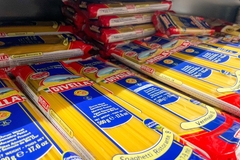
The US Department of Commerce has slashed proposed anti-dumping duties on Italian pasta imports to between 2% and 14%, retreating from the punitive tariffs of up to 92% that threatened to upend transatlantic food trade.
The reversal follows months of diplomatic tension between Washington and Rome over duties targeting 13 Italian pasta producers, including Barilla, La Molisana, and Pastificio Lucio Garofalo. The companies account for roughly 16% of Italian pasta imports to the US, a market worth €671 million (US$732 million) in 2024 according to UN Comtrade data.
In a preliminary review published January 1, the Commerce Department says Italian producers had “addressed many of Commerce’s concerns regarding cost reporting and price adjustments.” La Molisana now faces a 2.26% duty, Garofalo about 14%, and the remaining 11 producers a weighted-average margin of 9.09%.
Final results are due on March 12, when any revised import duties will formally take effect. The department cautioned that the preliminary findings could still change.
Political pressure behind the shift
The tariff reduction comes as the Trump administration faces domestic pressure over consumer prices and the cost of living. The White House has rolled back tariffs on more than 200 food products and delayed planned increases on furniture imports, which were set to take effect January 1.
Italy’s Foreign Ministry welcomed the preliminary review, saying the outcome demonstrates “the constructive cooperation shown by our companies.” The ministry says continued dialogue with US authorities will be essential to ensure export stability.
The case had created friction for Italian Prime Minister Giorgia Meloni, who has cultivated close ties with the Trump administration. Brussels had pledged to intervene if the duties moved forward.
Coldiretti, Italy’s main agribusiness association, estimates the original tariff plan could have cut Italian pasta exports to the US by nearly half. “The recalculation of duties confirms that Italian pasta producers have acted transparently and in full compliance with US trade rules,” the group says.
Italy’s total pasta exports to the US represent roughly a quarter of the country’s dry pasta shipments abroad, making the market critical for producers already navigating EU regulatory changes and shifting consumer demand.
The review covered shipments between July 2023 and June 2024, part of an annual administrative process for existing anti-dumping orders. The European Commission says it is monitoring the final determination and stands ready to engage if duties are deemed disproportionate.
Whether the March decision will settle the dispute or trigger new tensions remains uncertain. The preliminary findings offer immediate relief but leave questions open about the durability of transatlantic food trade agreements amid broader shifts in US trade policy.
Food Ingredients First also looked at how the recent US military operation that resulted in the capture of the Venezuelan President sent shockwaves through global markets, primarily in the energy and oil sectors.
Venezuela’s vast agricultural resources will likely see dramatic changes over a longer timeframe. Carlos Mera, head of agri commodity market research at Rabobank, told us more.