


Good Food Institute: How did plant-based food fare in 2025?
Key takeaways
- Consumers are increasingly looking for plant-based options that are nutritious, convenient, and affordable, not just ethical alternatives.
- The plant-based shift is driving innovation in taste, quality, and convenience.
- While plant-based foods still account for a small fraction of the overall meat market, the sector is experiencing rapid growth.
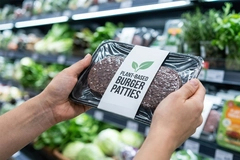
Good Food Institute (GFI) Europe examines the latest research, highlighting how the price of meat increased in 2025, while the cost of plant-based options did not rise as quickly. Findings also show how plant-based foods can help promote healthier diets and ease price pressures for consumers amid food inflation and cost-of-living concerns.
GFI Europe’s Helen Breewood, senior market and consumer insights manager, and Amy Williams, nutrition lead, speak with Food Ingredients First about what the industry learned about plant-based food in 2025, including examining several pieces of research from organizations such as the Green Alliance, as well as their own findings.
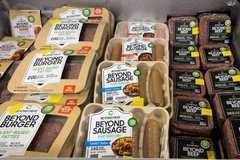
This analysis comes amid a rise in plant-based meat companies developing nutrient-dense and high-quality formulas, as the plant-based movement goes beyond mimicking meat-based products. The burgeoning sector is developing more nutrition-dense and clean label F&B that moves plant-based away from association with heavy processing, long ingredient lists, and ultra-processed foods.
The plant-based evolution is highlighted in Innova Market Insights’ Top Trends for 2026, which crowns “Authentic Plant-based” as trend #5. Plant-based has been featured in the market researchers’ trends for over a decade now, but this year focuses on how consumers are embracing natural plant proteins for their added benefits, underscoring how plant-based is transitioning from imitation to nutrition.
Nearly two-thirds of consumers surveyed globally by Innova say that plant-based products should be able to stand alone rather than substitute for other foods.
This shift is exactly what is happening in the plant-based sector, according to GFI Europe, which flags emerging evidence over the last year that underlines the plant-based industry’s potential to diversify the number of nutritious, appealing options — particularly with more support to bring down prices.
Cost of meat versus plants
An analysis of Tesco’s online store prices found that some plant-based products are now cheaper than their meat equivalents. For instance, it now costs £2.15 (US$2.91) less to make a family-sized lasagne with plant-based mince. This demonstrates the case for plant-based as a value proposition, not just a premium or ethical choice.
“While it may be too early to see the impact of recent price divergence on consumer behavior, we know that people won’t adopt these products in large numbers until they compete with conventional meat on taste, price, and convenience,” Breewood tells us. Consumers now seek plant-based options that are not just ethical but also affordable, nutritious, and convenient.
“Our latest analysis found that in France, Germany, Italy, and Spain, rising sales volumes of plant-based foods are being driven primarily by growth in private-label products, sold under the retailer’s own brand and typically less expensive per kg than branded products. These affordable options — particularly plant-based milk and drinks, which are approaching mainstream status in several countries — appeal to a wider consumer base.”
“However, in some categories, relatively expensive branded products are driving sales. This suggests that, as the rate of food inflation has eased, existing plant-based consumers are increasingly focused on factors like taste, ease of preparation, or perceived quality,” she says.
Competing on value and convenience
Breewood points to GFI research carried out last year with HarrisX and Plant Futures, which found the potential market for plant-based products extends far beyond consumers driven solely by ethical and sustainable concerns, with 4 in 10 German and UK adults planning to eat more plant-based foods.
“There is still a long way to go until plant-based foods can compete on factors such as taste, familiarity, and convenience, so companies need to develop tastier products, communicate nutritional benefits more clearly, and help consumers overcome their lack of familiarity with simple recipe suggestions,” she explains.
“Meanwhile, the success of Lidl UK, which reported that sales of its own-label plant-based foods in the UK increased by 694% between 2020 and 2025, demonstrates that retailers can play a significant role in bringing more affordable products to the market.”
Making plant-based meat more affordable
Although GFI Europe cites recent Green Alliance research that revealed the price of meat in the UK has increased faster than plant-based options in every category, except bacon, over the previous year, the think tank acknowledges that there is still a long way to go in achieving price parity.
“Critical work needed to make plant-based meat more affordable — such as reducing the number of processing steps and ingredients — goes hand-in-hand with the development of tastier, more nutritious, next-generation products. A significant portion of this initial R&I is being conducted through publicly funded research, which can benefit the entire field and enable new technologies to be developed and spun out in a more cost-effective manner,” says Williams.
“New, smarter approaches are being developed by companies such as Spain’s Heura, Switzerland’s Planted, and Germany’s Happy Ocean Foods, aimed at using traditional technologies like fermentation to produce rich meaty flavors and enhance nutritional profiles.” With rising food costs, plant-based products are becoming more affordable and appealing to a broader audience.
Meanwhile, new processing techniques, allowing the final product to retain more of the health-promoting properties of the whole plant ingredients, are being explored by researchers such as Patrick Rühs from ETH Zurich.
Williams also notes how, although the plant-based sector remains in its infancy, evidence suggests that the average nutritional characteristics of these foods are already “pretty good, with lower levels of saturated fat and higher levels of dietary fiber than the processed meat products they often replace.”
Plant-based makes up “tiny fraction”
In addition, plant-based meat offers significant potential to diversify the protein supply, enhance food security, and drive green economic growth while mitigating climate impacts.
“But although overall demand for plant-based foods is growing across Europe, plant-based options still make up a tiny fraction of the overall meat market because they don’t yet match conventional meat on taste, price, or convenience,” Breewood adds.
“To achieve their goals of boosting food security, reducing climate emissions, and farming in harmony with nature, European governments must invest in research to make plant-based meat as delicious and affordable as conventional meat.”
“Manufacturers now need to focus on more consistent fortification with key nutrients like B12, iron, and omega-3, which are often missing in many people’s diets, and further reducing the salt content of their products.”