




Fi Europe 2025 live: ADM spotlights functional ingredients and plant-based proteins amid wellness boom
Key takeaways
- ADM is showcasing microbiome solutions and functional ingredients at Fi Europe 2025 to address the demand for healthier food options with higher protein and fiber.
- The company is highlighting postbiotics, which support gut-brain health, including benefits for sleep, stress, and mood.
- It also features plant-based proteins, focusing on clean-tasting, high-protein solutions that balance nutrition with culinary appeal.?

At the ongoing Fi Europe 2025 in Paris (Dec 2-4), ADM is highlighting its latest microbiome solutions and functional ingredients, designed to meet the growing demand for health-driven innovations in the F&B sector. These advancements support the rising consumer preference for products with higher protein and fiber content, alongside reduced sugar and sodium, reflecting the ongoing shift toward health and wellness in purchasing decisions.
Healthcare costs, constituting 10% of global GDP and US$4 trillion annually in the US, are prompting a proactive approach to well-being, according to Innova Market Insights’ report. Push factors, such as heightened mental health awareness, improved access to information, and personalized health insights, are driving the market.
“With a commitment to supporting consumers across life stages and lifestyles, we’re continually expanding our health and wellness portfolio with science-backed ingredients to support new innovations for highly sought-after wellness areas, from sleep and mood support to digestive, metabolic and women’s health and more,” Bastian Hörmann, global marketing director, Sweet Goods, Dairy & Specialized Nutrition at ADM, tells Food Ingredients First live from the show floor.
Through various “experience zones,” ADM is featuring its innovative solutions at Fi Europe 2025 to create products with nutritional value, indulgent tastes, and appealing textures.
“In our health and well-being experience zone at our Fi Europe booth, we’re showcasing our advancements in the gut microbiome arena, with a spotlight on postbiotics. Our newest introduction and finalist for Fi Europe’s Health Innovation Award, Lactobacillus gasseri CP2305 postbiotic, is a game-changer for support via the gut-brain axis, specifically looking at sleep, stress, and mood,” Hörmann continues.
“Also within our postbiotics suite is our award-winning Bifidobacterium longum CECT7347 (ES1) and BPL1 (Bifidobacterium animalis subsp. lactis CECT8145), which are featured across several functional F&B concepts at Fi Europe.”
Boosting fiber innovation
Solutions to support consumer demand for increased fiber and protein content are another spotlight at ADM’s booth this year, aimed at supporting manufacturers in advancing healthy snacking innovations.
“Our research finds the top two nutrients global consumers look to increase are fiber (69%) and protein (66%). These desires align with the “fibermaxxing” trend, which can be answered with Fibersol prebiotic dietary fiber,” says Hörmann.
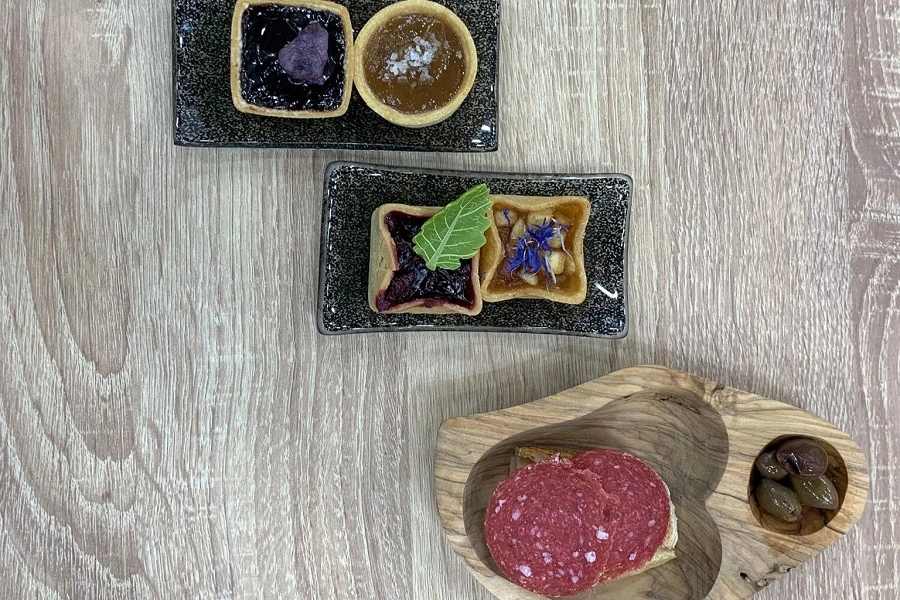 ADM’s booth at Fi Europe 2025 features interactive demos and culinary tasting sessions of its functional protein solutions.“Fibersol is well-tolerated up to 68 g per day, which can help people add more fiber to their diet. Fibersol also promotes the growth of gut microbes that have been positively associated with health.”
The ingredient also works in conjunction with ADM’s sweetening solutions to support sugar reduction by restoring functionality that can be lost in formulations with low- or no-sugar targets.
Elevating “culinary-forward” proteins
In its “specialty ingredients experience zone,” ADM is demonstrating its protein concentrates, isolates, soy flour, and lecithin.
Hörmann specifically points out ADM’s textured soy and the recent launch of Tradcon SE, a non-GMO, European-sourced powdered soy protein concentrate. The functional soy protein concentrate delivers “high-quality nutrition with excellent water and fat binding capabilities, salt stability, clean taste, and a neutral color,” he notes.
“It offers low cost-in-use, protein content of over 68%, high fiber, and a complete amino acid profile.”
The ingredient supplier is also hosting culinary tasting sessions and interactive demos at Fi Europe 2025, showcasing “clean-tasting, highly functional protein solutions to create culinary-forward, high-protein concepts reflecting culinary, flavor and ingredient trends,” Hörmann notes.
“Concepts like our ‘Extended Chicken Hot Dog’ feature Tradcon SE, reducing reliance on meat without compromising quality or satisfaction. Plus, our high-quality textured vegetable protein, Soprotex-N Slices, and textured soy protein concentrate Tradcon T 171 are used to create our innovative ‘Plant-based Chicken Drumstick’ concept.”
By combining these proteins and ADM’s savory flavor solutions, manufacturers can achieve the “expected bite, signature juiciness, and authentic dark meat chicken taste,” he adds.
Overcoming technical challenges
When developing these functional ingredients for personalized nutrition, a key technical challenge Hörmann highlights is maintaining efficacy and functionality throughout formulation and shelf life.
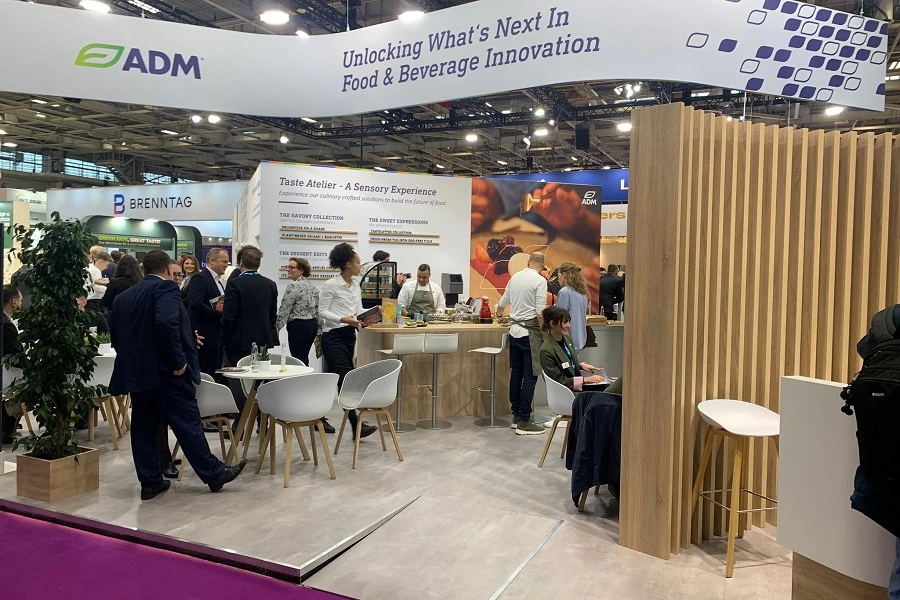 As consumer demand rises for higher protein, fiber, reduced sugar, and flavorful experiences, ADM is highlighting how taste innovation fuels growth alongside functional benefits.“To address this, it’s essential to use resilient ingredients supported by clinically documented evidence. Our suite of postbiotics, for example, plays a vital role because they do not contain live microorganisms and can withstand tough processing conditions, such as high heat, moisture, pressure, and shear, that often compromise the viability and performance of conventional probiotics.”
Additionally, functional ingredients like plant proteins or dietary fibers pose challenges related to sensory attributes such as unwanted off-notes or undesirable textures. ADM leverages its “global supply chain, relationships with growers and innovative ingredient technologies” for quality control to help minimize these sensory drawbacks.
Flexible future?
Hörmann anticipates an ongoing need for flexibility between functionality and indulgence in the years to come. Nutritional value, taste, texture, and “closer-to-nature” positioning will influence market demand.
“We’re dedicated to supporting manufacturers in reformulation efforts and new product innovation as consumer and market demands evolve. This includes reformulation efforts for higher fiber, higher protein, reduced sugar, and reduced sodium, along with achieving clean label attributes.”
The company supports reformulation needs alongside desires for more wellness products to support critical aspects, such as gut health, personalized nutrition, weight management, and support for consumers taking anti-obesity medications.
“Moreover, our team of scientists and researchers is leading the way in gut microbiome research, particularly for resilient postbiotics and phage technology, which can expand the possibilities of wellness formats and tailored health and well-being support,” Hörmann concludes.
With additional reporting by Joshua Poole at Fi Europe 2025 in Paris, France