



Unilever exits Indonesian tea to focus on higher-growth FMCG
Key takeaways
- Unilever is divesting SariWangi as part of its exit from slower-growth legacy food categories.
- The move supports a sharper focus on higher-growth FMCG segments, including core foods.
- The deal reflects a wider trend of local players acquiring heritage brands from multinationals.
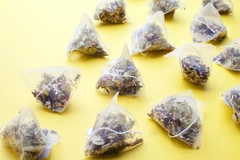
Unilever’s pivot from slower-growth legacy products continues with the news that it will sell its SariWangi tea business in Indonesia to PT Savoria Kreasi Rasa, which it describes as a fast-growing local FMCG group, for a reported IDR 1.5 trillion (US$89 million).
UK-headquartered Unilever says the proposed divestment forms part of its portfolio optimization strategy, as the company focuses on “fewer, bigger, and more scalable” categories, like core foods, home care, personal care and beauty, as well as other high-growth FMCG segments.
Unilever previously sold its global tea business Ekaterra (now Lipton Teas and Infusions) to private equity firm CVC Capital Partners for €4.5 billion (US$5.3 billion) in a deal completed in mid-2022. The sale included numerous brands globally, including PG Tips and Lipton, and only excluded India, Indonesia, and Nepal.
Tea, particularly loose and bag tea products, is a mature market with reported low growth in many regions. SariWangi is a brand with strong heritage and local recognition, but it contributes a small percentage of Unilever Indonesia’s net profits (~3.1%) and revenue (~2.7%).
Unilever also spun off its Magnum ice cream business, including the brands Ben & Jerry’s, Cornetto, and Wall’s, last year. Like tea, the company identified the ice cream market as a lower-margin category.
Legacy brands go local
PT Savoria Kreasi Rasa is part of Indonesia’s Djarum Group, a large local conglomerate with a growing footprint in the food and beverage sector.
Its acquisition of SariWangi, which is expected to be completed in the first half of 2026, reflects the broader trend of local companies acquiring established legacy brands from global multinationals.
“We are confident this transaction will position the tea business for its next phase of growth, while sharpening Unilever Indonesia’s focus on priority, higher growth segments, and reinforcing our commitment to sustainable shareholder value,” says Benjie Yap, president director for Unilever Indonesia.
Unilever Indonesia’s SariWangi divestment follows its other portfolio reductions, including the sale of its Wall’s ice cream brand to Magnum Ice Cream Indonesia in 2025, highlighting its pattern of strategic downsizing.
The FMCG giant’s €800 million (~US$860 million) restructuring plan, first announced in March 2024, is designed to shed non-core assets and operational complexity, streamline its portfolio around higher-margin markets, and invest in global scale brands and premium segments.